
কোর্স
THE PATTERN OF LEADERSHIP: FROM MOSES TO CHRIST
3,437টি শব্দ, পড়তে প্রায় 17 মিনিট
4: L E S S O N
O V E R V I E Wguide, and build up believers.
As we have seen throughout this course, God is always a God of order, and this truth continues in this final lesson. In the time of Moses, God showed His care for His people by raising up leaders to help guide the nation in His ways. This same principle of order is carried into the New Testament, where Jesus established leadership in His Church to teach,
God’s order is more than a structure of leadership - it is His design to keep His people united, holy, and strong. As we study this lesson, the Word of God will serve as our mirror, showing us not only how He set order in the past, but also how we must walk in that order today, starting with our own lives. The anointing of the Holy Spirit makes this order living and powerful, and the Old Testament serves as a schoolmaster, pointing us to Christ in whom true order is fully revealed.
Objectives During this lesson, you should be able to:
1. Explain how the Old Testament functions as a schoolmaster in revealing God’s divine order for leadership and ministry.
2. Examine Jethro’s counsel to Moses (Exodus 18) as an early biblical model of shared responsibility and ordered leadership among God’s people.
3. Identify the spiritual qualifications required for leadership within God’s order, as demonstrated through Moses, the elders of Israel, and New Testament leaders.
4. Compare the leadership structures established in Exodus 18 and Acts 6 to show continuity between Old Testament patterns and New Testament apostolic order.
5. Describe how the impartation of the Spirit enables leaders to bear responsibility, govern wisely, and serve without rivalry or competition.
6. Interpret Moses’ leadership role as a shadow of Christ, revealing how divine authority, intercession, and governance are fulfilled in the Church.
7. Apply the principles of divine order, humility, and shared ministry to leadership within the Body of Christ today.
Activity 4.1 Preparation Activity
a. Look at the situations below and discuss what mistakes, neglect, or lack of order might have caused these results:

Poorly Sewn Shirt & Poorly Built House
A garment is sewn together, but a sleeve is stitched where the pockets should be, and the buttons don’t line up.
A building is constructed, but the windows are placed where doors should be, and the roof is laid before the walls are finished.
b. Reflect: How do these scenarios serve as examples of what the Church looks like when God’s order is ignored? What would be the effects on the Body of Christ?

THE OLD TESTAMENT AS A SCHOOL MASTER OF GOD’S ORDER
Now that the previous lessons have established how the Holy Spirit operates within the Body of Christ as a whole, this lesson will narrow our focus to leadership. We will examine how the Holy Spirit appoints and equips specific individuals to govern, guide, and care for God’s people. To anchor this principle, we will look to the Old Testament - our schoolmaster - which first reveals the foundations of divine order in leadership. We begin with Jethro, Moses’ father-in-law, and the counsel he offered Moses concerning the oversight of God’s people.
Exodus 18:13-17
13 And it came to pass on the morrow, that Moses sat to judge the people: and the people stood by Moses from the morning unto the evening.
14 And when Moses’ father in law saw all that he did to the people, he said, What is this thing that thou doest to the people? why sittest thou thyself alone, and all the people stand by thee from morning unto even?
15 And Moses said unto his father in law, Because the people come unto me to enquire of God:
16 When they have a matter, they come unto me; and I judge between one and another, and I do make them know the statutes of God, and his laws.
17 And Moses’ father in law said unto him, The thing that thou doest is not good.
There were about 675,000 men (not including women and children) whom Moses was responsible to judge. Jethro observed that the people were forced to stand and wait from early morning until evening for Moses to hear their cases. Every matter, great or small, was brought to one man to settle.
This was an overwhelming burden - not only for Moses, but also for the people waiting long hours for resolution. Jethro recognized that this approach lacked wisdom. Through him, God spoke words of counsel that would later serve as a divine pattern of ministry for the Body of Christ.
Notice Jethro’s words:
Exodus 18:18
Thou wilt surely wear away, both thou, and this people that is with thee: for this thing is too heavy for thee; thou art not able to perform it thyself alone.
As a ministerial counselor, I know that even a single dispute can take hours, sometimes days or weeks, to resolve. For Moses to handle every case alone was neither wise nor sustainable. Yet here was the challenge - Moses was the anointed one, the man called of God, who had a unique audience with Him. This intimate relationship made Moses feel responsible to counsel and judge every case himself, ensuring all was done faithfully.

However, Jethro’s counsel introduced wisdom from God: a structure of shared responsibility that would lighten Moses’ load and establish a divine model of order in leadership and ministry. This arrangement was more than practical wisdom; it was an early shadow of apostolic order- God’s way of establishing government among His people
Exodus 18:19-18
19 Hearken now unto my voice, I will give thee counsel, and God shall be with thee: Be thou for the people to God-ward, that thou mayest bring the causes unto God:
20 And thou shalt teach them ordinances and laws, and shalt shew them the way wherein they must walk, and the work that they must do.
21 Moreover thou shalt provide out of all the people able men, such as fear God, men of truth, hating covetousness; and place such over them, to be rulers of thousands, and rulers of hundreds, rulers of fifties, and rulers of tens:
22 And let them judge the people at all seasons: and it shall be, that every great matter they shall bring unto thee, but every small matter they shall judge: so shall it be easier for thyself, and they shall bear the burden with thee.
23 If thou shalt do this thing, and God command thee so, then thou shalt be able to endure, and all this people shall also go to their place in peace.
24 So Moses hearkened to the voice of his father in law, and did all that he had said.
25 And Moses chose able men out of all Israel, and made them heads over the people, rulers of thousands, rulers of hundreds, rulers of fifties, and rulers of tens.
26 And they judged the people at all seasons: the hard causes they brought unto Moses, but every small matter they judged themselves.
Activity 4.2
a. Complete the table below by filling in the missing details from the two accounts -Exodus 18:13-26 (Moses and Jethro) and Acts 6:1-7 (The appointment of the seven). Use your Bible, notes from the lesson and The Bible Teacher App.
| Account | Problem Identified | Who Gave Counsel/Direction? | Proposed Solution | Result/Outcome |
|---|---|---|---|---|
| Exodus 18:13–26 | Moses judged all the people alone, leading to exhaustion and inefficiency. | Jethro (Moses’ father-in-law) | Moses heeded the advice, and the burden was shared. | |
| Acts 6:1–7 | Dispute over daily distribution to widows was distracting the apostles from prayer and the ministry of the Word. | Appoint seven men of good report, full of the Holy Ghost and wisdom, to oversee the distribution. |
b. Discuss the similarities you notice between Jethro’s counsel to Moses and the apostles’ decision in Acts 6.
Jethro’s counsel to Moses was more than practical A SHADOW OF CHRIST AND HIS CHURCH advice - it was a revelation of God’s divine order at work among His people. As a shadow pointing to Christ, this counsel reveals the foundations of ministry, leadership, and order that God would later establish fully in His Church. Let us examine it more closely to understand what this order entails.
COMPONENTS OF JETHRO’S COUNSEL
Interceding - Moses as Chief Intercessor: Moses was to remain God’s chosen intercessor-bringing the weightier matters before Him and returning with His counsel for the people (v. 19).
Teaching - Moses as Teacher of God’s Word: He was charged with teaching God’s statutes, ordinances, and ways to all the peopleimparting wisdom that would enable them to walk in obedience to God and live peacefully with one another (v. 20).
Leading - Delegated Leadership: Moses was to appoint leaders who met clear spiritual qualifications: Able: Spiritually fit and competent for service. Fear God: Rooted in reverence for Him, which is the beginning of wisdom. Men of Truth: Loyal to the Word of God, living with integrity. Not Covetous: Free from greed or personal agendas, serving only God’s will.
These leaders were to handle minor disputes, while the more difficult matters would be brought to Moses (v. 21-22, 26). These qualifications remind us that God’s order is always built on holiness and integrity, not just skill. Apostolic order depends on leaders who embody the character of Christ.
From our analysis of the Scripture, this breakdown serves as an Old Testament type or shadow of Christ, the Chief Apostle, and His Church. Just as Moses was the chief leader and intercessor for Israel, so Christ is the Head of the Church. Jesus intercedes for His Body continually, seated at the right hand of the Father.
Through His order, Christ ensures that His Word is dispensed throughout the Body. He has appointed apostles, prophets, evangelists, pastors, and teachers to lead, disciple, and train the saints in the Word of God. Yet the calling of God is never without criteria. Holiness and submission to the Holy Spirit are essential for leaders to flourish in their God-given roles. They, too, must be spiritually fit (able), fear God, love and uphold His Word (men/women of truth), and remain free from selfish ambition (not covetous).
When leaders embody this character, God entrusts them with His people, enabling them to influence, disciple, and develop many. And just as the most difficult cases were escalated to Moses, so too are weightier matters in the Church escalated to apostles, who bring clarity by the Word they receive from Christ.
Yet, while Jethro’s counsel established a structure, God Himself later confirmed this structure by imparting His Spirit to chosen leaders. This shows us that true order is not only about structure, but also about the power of His Spirit.
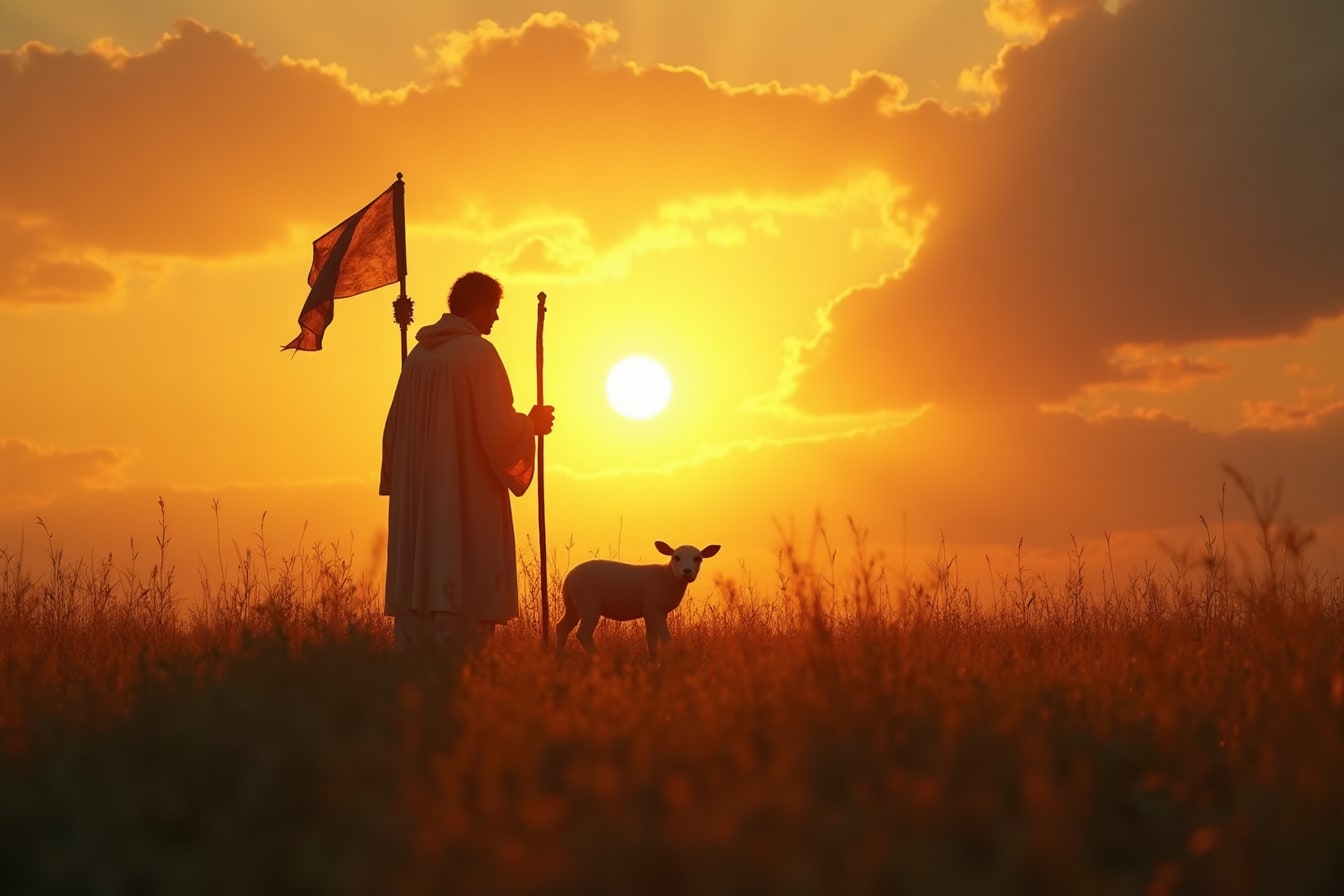
THE IMPARTATION OF THE ANOINTING
Now let us go deeper and examine Moses as a type of the apostle and of Christ. Jethro was correct: the burden of the people would eventually overwhelm him. Later, during Israel’s wilderness journey, the people murmured, and Moses grew weary saying, “I am not able to bear all this people alone, because it is too heavy for me.” (Numbers 11:14).
Numbers 11:11-15 describes Moses pouring out his frustration before God. The people were dissatisfied with manna and longed for meat, grumbling against God and Moses. Though Moses loved them like a shepherd, the strain of leading a discontented nation became too great. He turned to God for relief.
Numbers 11:16-17 & 24-25
16 And the Lord said unto Moses, Gather unto teaching. The difference was that Moses himself me seventy men of the elders of Israel, whom operated under the anointing of the Holy Ghost. thou knowest to be the elders of the people, and That anointing gave him compassion, insight into officers over them; and bring them unto the God’s heart, and authority to lead with divine tabernacle of the congregation, that they may wisdom. stand there with thee.
17 And I will come down and talk with thee there: and I will take of the spirit which is upon thee, and will put it upon them; and they shall bear the burden of the people with thee, that thou bear it not thyself alone. …
24 And Moses went out, and told the people the words of the Lord, and gathered the seventy men of the elders of the people, and set them round about the tabernacle.
25 And the Lord came down in a cloud, and spake unto him, and took of the spirit that was upon him, and gave it unto the seventy elders: and it came to pass, that, when the spirit rested upon them, they prophesied, and did not cease.
This is another powerful shadow of Christ and His Church. Moses had already appointed leaders by Jethro’s counsel, but they acted only on his
To share the load, God imparted Moses’ anointing to seventy elders. Immediately they prophesied, expressing God’s Word and His heart for the people. Notice that God took of the spirit that was upon Moses and distributed it.
Once again, this points to Christ:
John 17:22
And the glory which thou gavest me I have given them; that they may be one, even as we are one:
The same Spirit that dwelt in Christ now abides in His Body. By His Spirit, true leaders are raised, equipped, and empowered to disciple others. Just as Moses stood alone until God multiplied his anointing, so Jesus was the only One until, after His resurrection, He imparted His Spirit to all who believe. From that moment, His anointing flows from generation to generation through the Holy Ghost.
Activity Complete the table below on how God imparted His Spirit to chosen leaders in both 4.3 Old and New Testaments, empowering them to guide His people in order.
| Leader | Problem Identified | Who Gave Counsel/Direction? | Proposed Solution |
|---|---|---|---|
| Joshua | Became Moses’ successor; led Israel into the Promised Land | Ensured continuity of leadership and obedience | |
| David | Empowered to lead as king after Saul’s failure | Brought Israel under a man after God’s heart | |
| Paul | Transformed from persecutor to apostle; preached Christ boldly | Churches established in order under apostolic authority |
John 14:17 - Even the Spirit of truth; whom the world cannot receive, because it seeth him not, neither knoweth him: but ye know him; for he dwelleth with you, and shall be in you.
THE ANOINTING & COMPETITION
After God took of the Spirit upon Moses and placed it on the seventy elders, two of the elders (Eldad and Medad) remained in the camp and began to prophesy (Numbers 11:26). This unusual circumstance stirred concern in Joshua, Moses’ faithful servant. He feared that their influence might rival Moses, as though leadership in the Spirit could become a matter of competition or rivalry. But Moses’ response reveals the heart of God’s order:
Numbers 11:29
And Moses said unto him, Enviest thou for my sake? would God that all the Lord’s people were prophets, and that the Lord would put his spirit upon them!
In that statement, Moses also unknowingly prophesied of Pentecost - the day when God would indeed pour out His Spirit on all flesh. The Spirit that once rested on one man now abides in every believer. In the Church, the impartation of the Holy Ghost is not a call to rivalry but to expand, strengthen, and unify the Body of Christ. Apostolic order functions rightly when leaders recognize that authority in the Spirit is never threatened by others walking in the same Spirit.
As we leave this section of study, remember that from the Old Testament to the New Testament, Scripture shows that God always establishes order so His purpose can be fulfilled. When leaders walked in the anointing of His Spirit, it was never to create rivalry, but to secure unity and direction for His people.
Our response must go beyond knowledge - we are called to submit to God’s order by reflecting on His Word and aligning our lives with His authority.
CONCLUSION
This lesson has shown that God’s pattern of leadership has always been rooted in divine order. From Moses’ role as chief intercessor to the delegation of responsibility among appointed leaders, Scripture reveals that God never intended ministry to rest on one individual alone. Jethro’s counsel and the later impartation of the Spirit to the elders reveal a structure founded on spiritual qualification, holiness, and shared responsibility - an Old Testament shadow that points directly to Christ, the Head of the Church. True leadership in the Body is not about hierarchy or competition, but humility, obedience, and the empowering work of the Holy Spirit. God imparts His anointing to establish unity, order, and growth, enabling His people to mature and function together according to His design. As we move forward in this series, the next courses will explore each leadership gift in detail, showing how the Holy Spirit equips and governs the Church so that every member fulfills their place in God’s divine order.
20 Here, by the impartation of the Holy Ghost, I am referring to the baptism of the Holy Ghost, the infilling of the Holy Ghost, or the born-again experience.
LESSON 4: MAIN POINTS
1. Foundational Scriptures Revealing God’s Principle of Order -Scriptures such as Exodus 18; Numbers 11; John 17:22; and Acts 6 reveal God’s established pattern of order for the Church (the Body of Christ). These passages provide essential principles and beliefs that show how God governs His people through structure, shared responsibility, and Spirit-led leadership.
2. Old Testament Shadows of Christ’s Divine Order - Moses, as the God-appointed leader of Israel, serves as a type of Christ as the Head of the Church. Jethro’s counsel to Moses and the appointment of the seventy elders reveal God’s pattern of divine order through shared leadership under one head, demonstrating that God’s work is carried out through leaders who serve in unity and submission to Him.
3. The Impartation of the Anointing - The anointing is the operation of the Holy Ghost working in and through God’s ministers according to the measure determined by Him. When God imparts His Spirit for the work of ministry, it empowers individuals to fulfill His purpose. This impartation is not competitive, but cooperative, strengthening the Body rather than dividing it.
4. Biblical Analogies Demonstrating the Necessity of Divine Order - Scripture describes the Church as both a body and a building, illustrating that every member has a specific function and placement under Christ’s direction. Just as the body requires each part to function in order, and a building requires each stone to be properly set, the Church flourishes only when believers serve in unity, alignment, and divine order under Christ, the Head and Chief Cornerstone.
5. Submission to God’s Divine Order - Submission is not weakness, but alignment with divine authority. Jesus Himself modeled this submission by obeying the Father even unto death (Philippians 2:8). True spiritual maturity is demonstrated through yielding to God’s order, allowing His life, power, and purpose to flow freely through His Church as His Kingdom advances in the earth.
SELF EVALUATION
The Self-Evaluation is designed to serve as a tool for you to examine how you are applying what is taught in the lesson to your own life, and/or to further probe your knowledge of the lesson. Please answer honestly and thoroughly.
After studying the foundational Scriptures, what do you now understand differently about God’s pattern of order for the Body of Christ?
How readily did you embrace the Old Testament examples (such as Jethro’s counsel and the seventy elders) as God’s pattern pointing to Apostolic Order in the New Covenant?
How has learning about God’s impartation of His Spirit to leaders in the Old Testament influenced your view of spiritual leadership and order in the Church today?
Explain how this lesson has helped to shape your perspective of the necessity of divine order, as seen in the analogies of the body and the building?
Have you submitted to God’s order in your own life and ministry? Explain how your attitudes, service, and relationships align with His divine authority and structure.
EXTENDED STUDY & LEARNING RESOURCES
The task/s and support resources recommended are intended to be used to help you to study further and walk in light of the principles you have been learning.
Do your best to complete them, bearing in mind that you can study with others as a means of support and encouragement.
TASKS
Task 1: God’s Order through Spiritual Mentorship /Discipleship
Read 2 Kings 2:1-15 and examine the relationship between Elijah and Elisha.
Identify how Elisha’s submission to Elijah reflects God’s pattern of order through mentorship and discipleship.
Discuss with someone or a small group, how faithfulness under authority prepares a person for greater spiritual responsibility in the Body of Christ.
Task 2: Study on Impartation and Continuity of Ministry
With the aid of The Bible Teacher App, and other resources, examine 2 Kings 2: 9-15 to focus more deeply on the transfer of Elijah’s mantle and the double portion of his spirit received by Elisha.
Explain how this event demonstrates impartation of the Spirit within divine order.
Compare this account to Christ imparting His Spirit to His followers (John 20:22; Acts 1:8).
NB: In your study, pay keen attention to terms.
Learning Resources: The KJV Bible, The Bible Teacher App, Strong’s Concordance