စာအုပ်
Lesson 5: Leaders Must Feed, Shepherd, and Watch Over the Flock
စကားလုံး ၁,၆၈၄ လုံး၊ ဖတ်ချိန် ခန့်မှန်း 8 မိနစ်
1 Peter 5:1-4
1 The elders which are among you I exhort, who am also an elder, and a witness of the sufferings of Christ, and also a partaker of the glory that shall be revealed:
2 Feed the flock of God which is among you, taking the oversight thereof, not by constraint, but willingly; not for filthy lucre, but of a ready mind;
3 Neither as being lords over God’s heritage, but being ensamples to the flock.
4 And when the chief Shepherd shall appear, ye shall receive a crown of glory that fadeth not away.
Feed the Flock of God
The responsibility of a shepherd is not merely to lead, organize, preach, or administrate. A true shepherd must feed, oversee, strengthen, and care for the flock of God.
The flock does not belong to the shepherd. It belongs to Christ. Therefore, every person entrusted with spiritual oversight must remember that he is caring for what belongs to God, and that the Chief Shepherd is watching how His people are being treated.
The Heart of Genuine Oversight
Having established who qualifies to lead, Scripture now reveals what genuine leadership requires in daily practice. Peter writes to elders and commands them to feed the flock, take oversight willingly, avoid serving for filthy lucre, refuse to lord over God’s people, and live as examples before the flock.
He writes as a fellow elder, not from a position of superiority, but from a position of shared responsibility and shared accountability. His exhortation is both practical and deeply personal, grounded in his own witness of the sufferings of Christ and his own expectation of the glory to be revealed.
The shepherd’s work must always be carried out with this awareness: the flock belongs to God, and Christ is the Chief Shepherd.

Feed the Flock
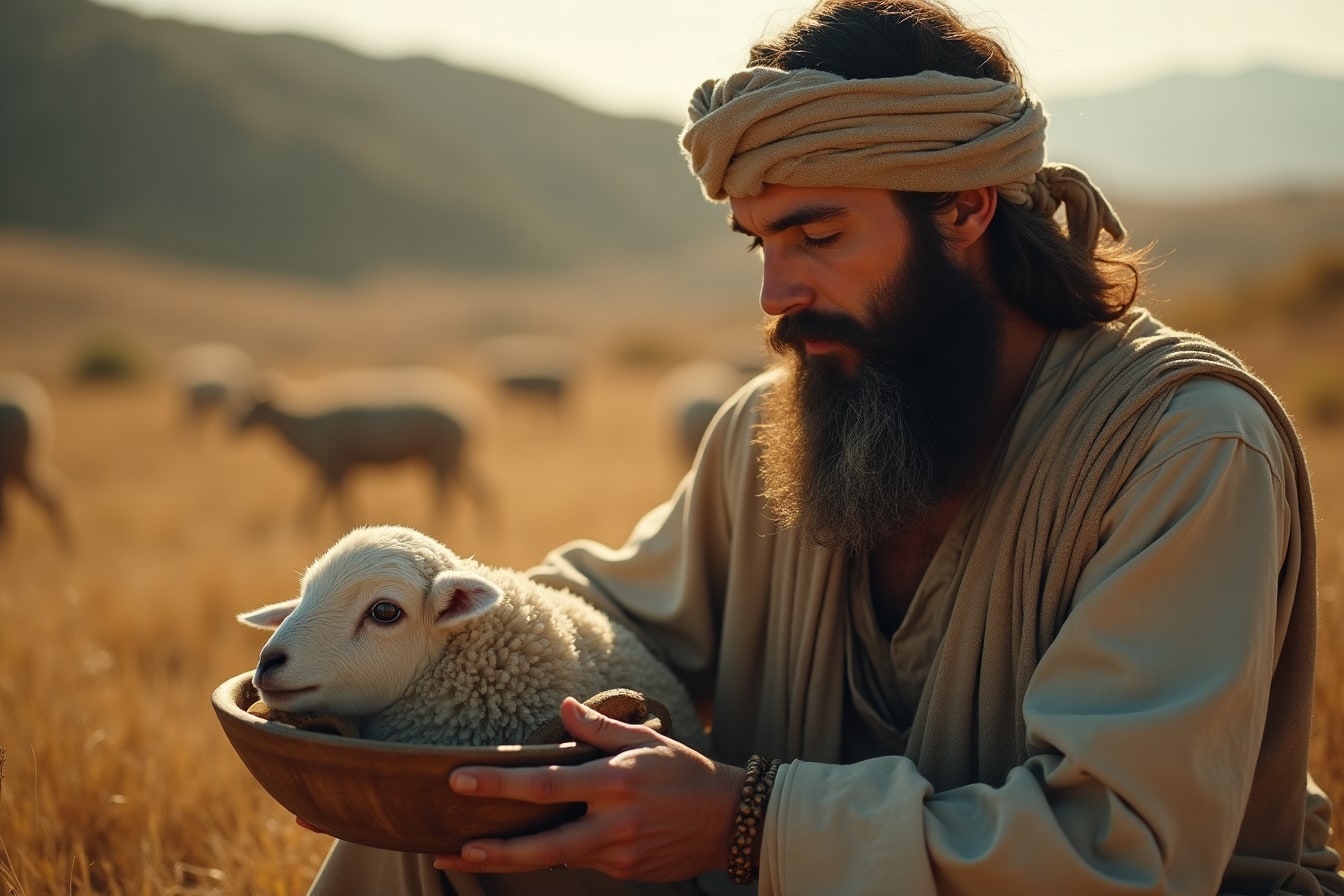
Peter’s first command is simple and weighty: “Feed the flock of God.” Feeding the flock is not incidental to the elder’s role. It is central.
The primary function of a shepherd is to ensure that those under his care are nourished. The spiritual nourishment of the saints comes through consistent, substantive, accurate, and applicable teaching of the word of God.
A congregation that is not being fed is a congregation that is spiritually malnourished. Malnourished sheep are weak, vulnerable to disease, easily led astray, and unable to reproduce. The condition of the flock is always, in some measure, a reflection of whether the shepherd has been faithful to feed them.
Feeding is not the same as entertaining. A congregation can be consistently excited, emotionally stimulated, and religiously active while being thoroughly underfed spiritually.
Genuine feeding produces growth, maturity, discernment, stability, and the ability to function independently in the word. The goal of feeding is not to create dependency on the shepherd. It is to strengthen the flock until the saints are mature, grounded, discerning, and able to walk in the truth for themselves.
Take Oversight Willingly
Peter also says that elders are to take oversight, “not by constraint, but willingly.” The work of shepherding must not be done merely because of pressure, obligation, personal need, or external demand. A true shepherd serves from a willing heart, with a ready mind, because he understands the sacredness of the charge Christ has entrusted to him.
Oversight requires care, attention, sacrifice, patience, correction, prayer, and endurance. If a leader serves only because he feels trapped, pressured, or obligated, the flock will eventually feel the effect of that unwillingness. The shepherd must serve willingly
before God.
This does not mean the work will always be his own kingdom, serve his own interests, or easy. It does not mean the shepherd will never fulfill his own vision at their expense. feel burdened or weary. But it does mean that beneath the weight of the assignment A leader who lords over God’s heritage there must be a genuine willingness to serve is usurping an ownership that belongs Christ by caring for His people.
Not for Filthy Lucre
Peter also warns that oversight must not be This is not merely a leadership error. It is taken “for filthy lucre.” A shepherd must not a spiritual trespass against God Himself, be motivated by dishonest gain, financial who will require an accounting for how His greed, or personal advantage. The flock of heritage was treated. God must never become a means for a leader
build his own kingdom.
A leader who serves for filthy lucre will feeds, guides, strengthens, and serves what eventually shape his decisions around profit belongs to Christ. rather than the will of God. He will be tempted to preach what preserves income, avoid correction that threatens support, and treat the sheep as resources rather than souls. This corrupts the heart of shepherding.
The people of God were purchased with the of leadership is not his preaching. It is his blood of Christ. They must never be exploited example. for money, status, access, or personal gain.
God’s Heritage, Not the Leader’s he responds to adversity, how he relates to Possession
Peter says elders must not conduct themselves “as being lords over God’s A shepherd’s life must not contradict his heritage.” The phrase “God’s heritage” is message. If his words call the people to critically important because it establishes holiness, humility, sacrifice, patience, love, ownership. The people belong to God. and faithfulness, his life must demonstrate They are His heritage, His inheritance, His the same. The flock is shaped not only by possession.
The elder does not own them. He does not control them. He does not use them to build
exclusively to God. He is treating as his own what God has only entrusted to him temporarily as a steward.
to enrich himself, secure his comfort, or Spiritual authority is not domination. It is not control. It is not intimidation. It is not ownership. True shepherding protects,
Be Examples to the Flock
Peter says elders must be “ensamples to the flock.” The elder’s most powerful form
The flock watches how he lives, how he treats his family, how he handles money, how
other leaders, and how he conducts himself when he thinks no one is looking.
what the leader teaches, but by what the leader models. A leader may preach truth accurately, but if his example contradicts that truth, his life becomes a stumbling block to the flock. The shepherd must therefore be able to say, by both word and conduct, “Follow me as I follow Christ.”
The Chief Shepherd Will Appear
Peter ends this exhortation by reminding elders that the Chief Shepherd will appear. This keeps every shepherd accountable and encouraged.
It keeps him accountable because the flock belongs to Christ, and Christ will require an account for how His people were fed, led, protected, and treated. It also keeps him encouraged because faithful service is not invisible to God.
The promise of a crown of glory that fadeth not away is the eternal encouragement for every faithful shepherd who labors without adequate recognition, serves sacrificially without earthly reward, and carries the weight of oversight without always receiving appreciation from those he serves.
The Chief Shepherd sees. He knows. He will appear. And when He does, the faithful shepherd who was an example to the flock will receive a crown that no earthly honor or recognition can equal or replace.
Key Truths to Remember
Feeding the flock is the primary and central responsibility of every shepherd, not a secondary activity.
Entertaining a congregation and feeding a congregation are not the same thing.
God’s people are His heritage. The shepherd is a steward, not an owner.
Lording over God’s heritage is a spiritual trespass against God Himself.
The elder’s most powerful leadership tool is not his preaching, but his example.
Faithful shepherds serve with eternity in view, awaiting the crown given by the Chief Shepherd.
Scriptures for Further Study
John 10:11–14
11 I am the good shepherd: the good shepherd giveth his life for the sheep.
12 But he that is an hireling, and not the shepherd, whose own the sheep are not, seeth the wolf coming, and leaveth the sheep, and fleeth: and the wolf catcheth them, and scattereth the sheep.
13 The hireling fleeth, because he is an hireling, and careth not for the sheep.
14 I am the good shepherd, and know my sheep, and am known of mine.
Psalm 23:1–3
1 The LORD is my shepherd; I shall not want.
2 He maketh me to lie down in green pastures: he leadeth me beside the still waters.
3 He restoreth my soul: he leadeth me in the paths of righteousness for his name’s sake.
Acts 20:28
Take heed therefore unto yourselves, and to all the flock, over the which the Holy Ghost hath made you overseers, to feed the church of God, which he hath purchased with his own blood.
Questions for Honest Examination
Is the congregation under your care genuinely being fed, or are they being entertained?
What evidence exists in the lives of the saints that genuine feeding is taking place?
Are the people becoming more mature, discerning, stable, and able to function in the word?
Are you serving willingly from a heart of genuine calling and love, or are you serving under constraint, motivated by obligation, financial need, or external pressure?
Have you crossed the line from shepherding into lording over God’s heritage?
Are there specific ways in which you are exercising control, ownership, or domination
over people who belong to God?
Are there specific ways in which you have been treating God’s people as your own possession rather than as His heritage entrusted to your stewardship?
Does your personal example reinforce or contradict the message you preach?
Is there any area of your personal life that is consistently inconsistent with the word you minister?
Are you serving with eternity in view, or has the absence of earthly recognition and reward caused bitterness, weariness, or diminished investment in the flock?
When did you last honestly assess the spiritual condition of the congregation under your care?
If the Chief Shepherd were to evaluate your stewardship of His flock today, what would He say?